
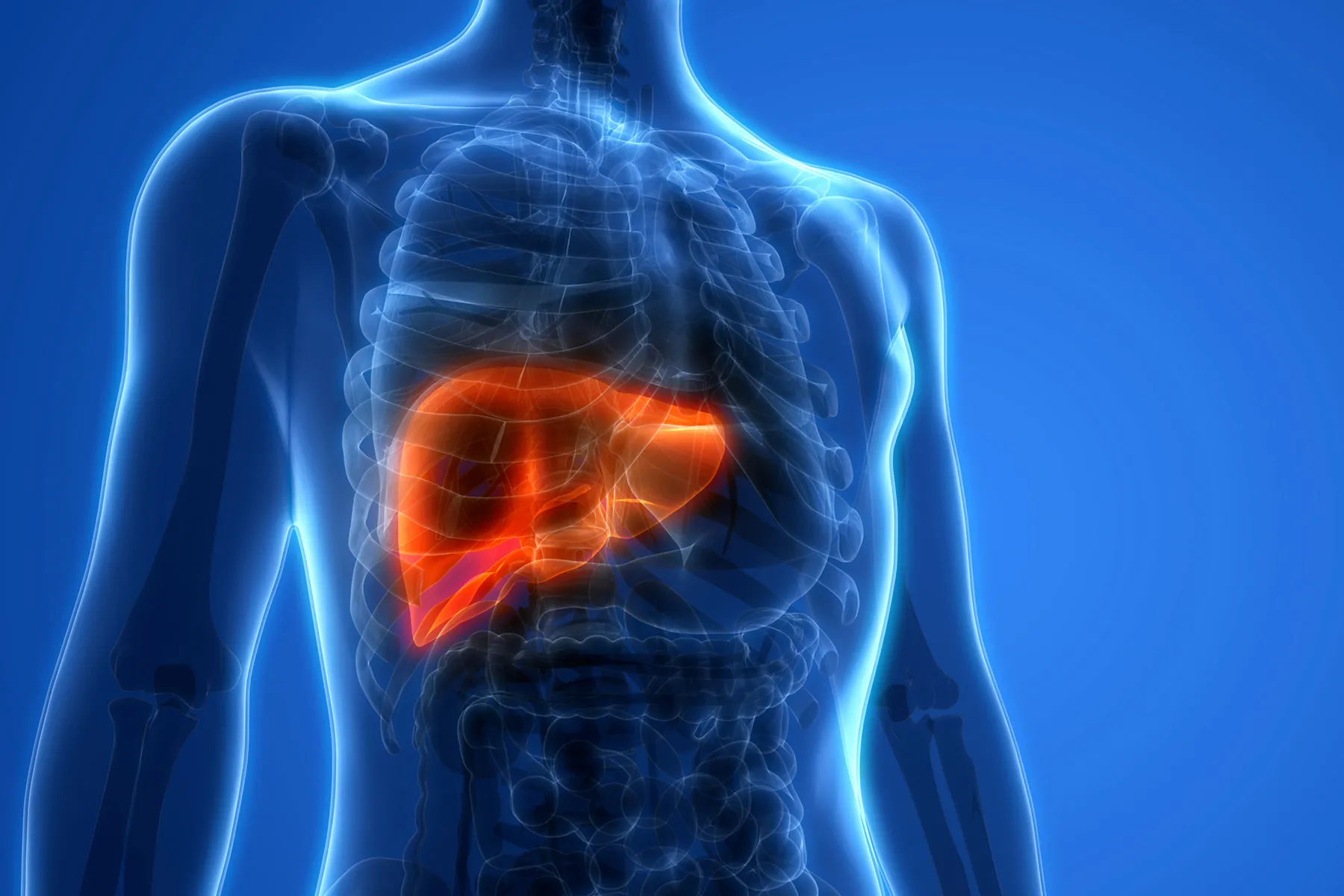
Hepatitis is the medical term for inflammation of the liver. The liver is a vital organ that helps your body process nutrients, filter toxins, and fight infections, so inflammation can interfere with many important functions.
Main Causes of Hepatitis
Hepatitis can occur for several reasons:
1. Viral infections (most common)
There are several hepatitis viruses:
- Hepatitis A – usually spread through contaminated food or water; short-term.
- Hepatitis B – spread through blood and bodily fluids; can be short- or long-term.
- Hepatitis C – spread mostly through blood; often becomes long-term.
- Hepatitis D – occurs only in people with Hepatitis B.
- Hepatitis E – usually spread through contaminated water.
2. Alcohol
Excessive alcohol use can cause alcoholic hepatitis.
3. Medications, toxins, or drugs
Some medications or poisons can damage the liver.
4. Autoimmune disease
The immune system mistakenly attacks the liver, causing autoimmune hepatitis.
Common Symptoms
Some people have no symptoms. When they occur, they may include:
- Fatigue
- Loss of appetite
- Nausea or vomiting
- Abdominal pain (especially upper right side)
- Yellowing of skin or eyes (jaundice)
- Dark urine, pale stools
Is Hepatitis Serious?
It can be. Some types are mild and short-term, while others can become chronic (long-term) and lead to:
- Cirrhosis (scarring of the liver)
- Liver failure
- Liver cancer